Introducción

A medida que nos esforzamos por la eficiencia energética y la sostenibilidad en el siglo XXI, ha surgido un nuevo jugador para redefinir el panorama de las soluciones de almacenamiento de energía: las baterías LiFePO4 de montaje en pared. Combinando alta potencia, larga vida útil y seguridad superior, estos sistemas innovadores están dando forma al futuro de las aplicaciones industriales y comerciales.

¿Qué es una batería LiFePO4?

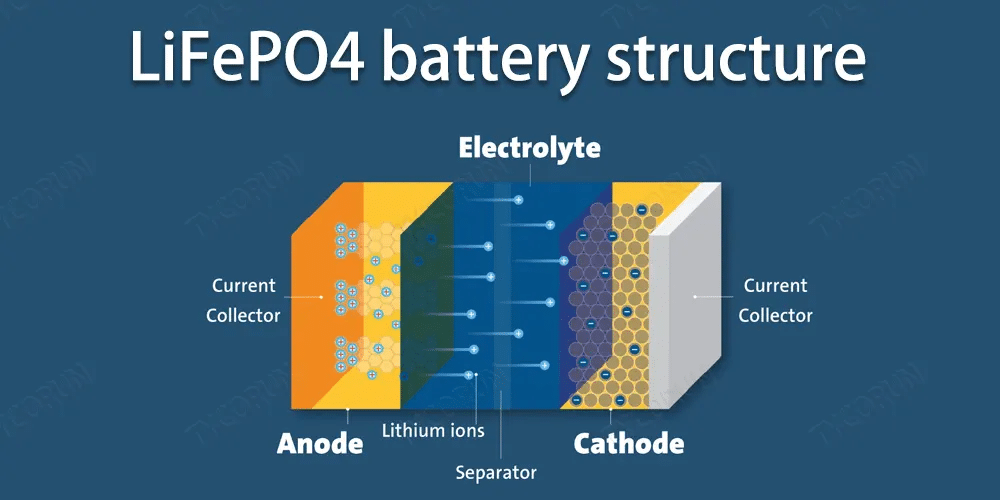
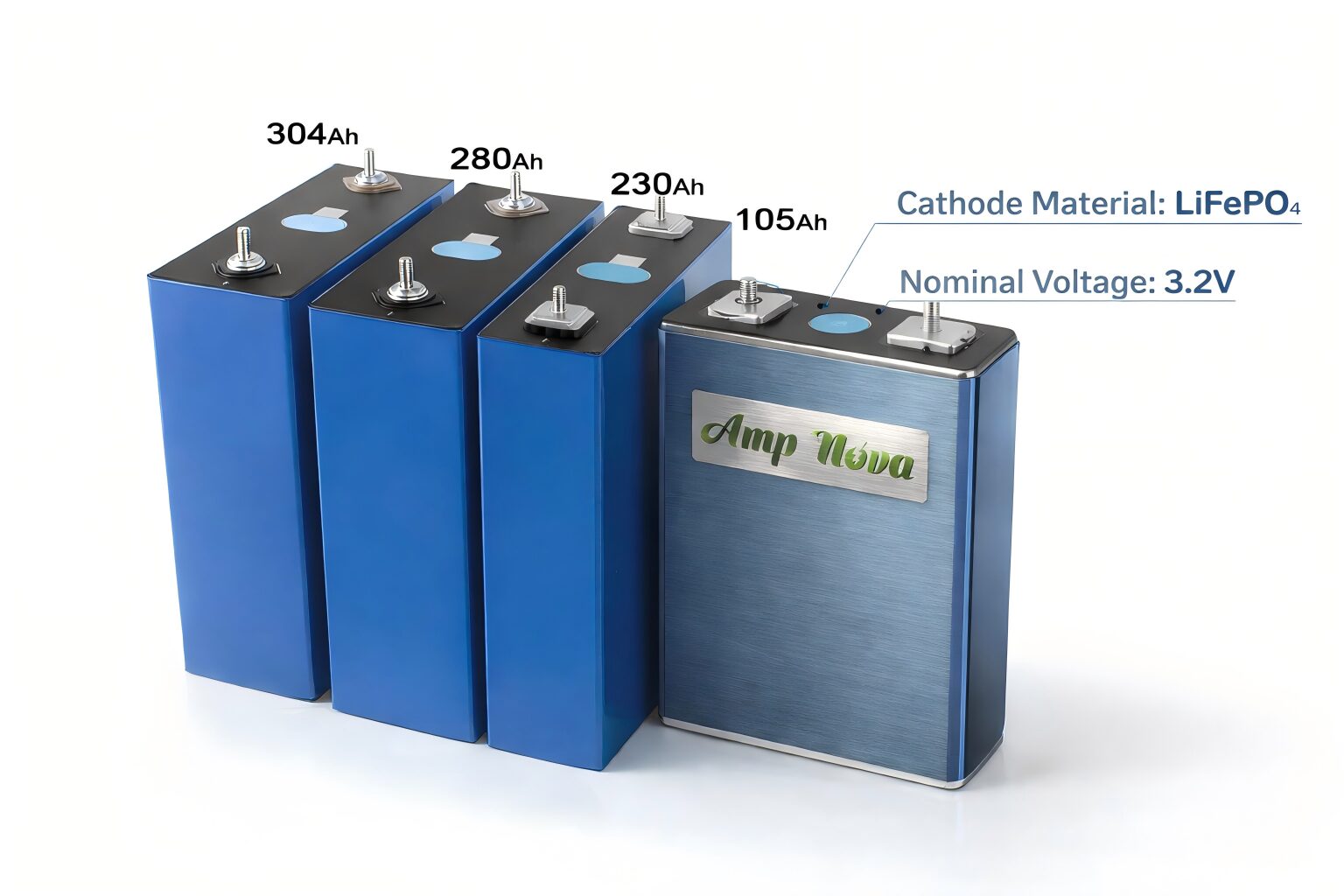
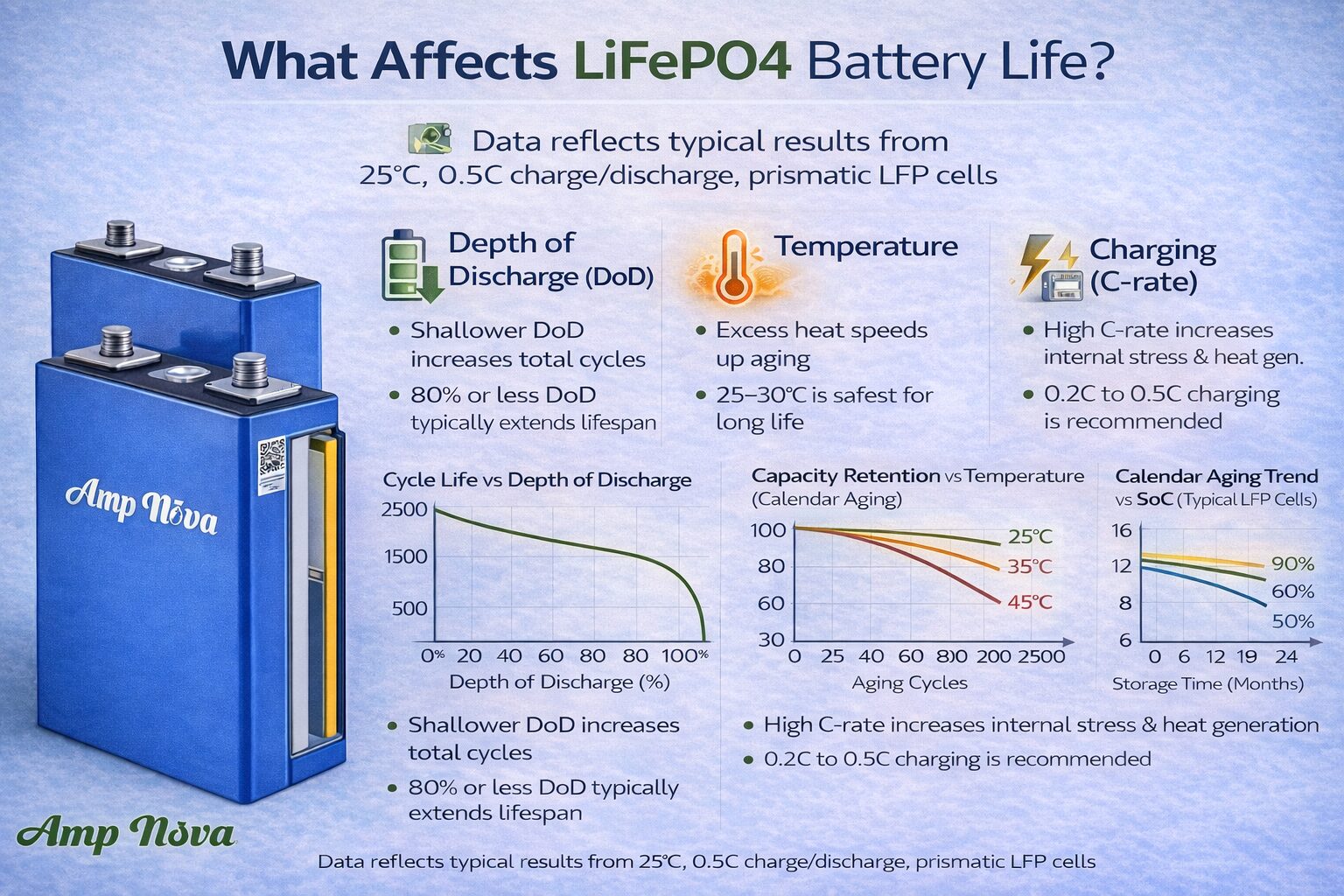
LiFePO4, or Lithium Iron Phosphate, is a type of lithium-ion battery that uses LiFePO4 as the cathode material. With a stable crystal structure and excellent thermal stability, LiFePO4 batteries drastically reduce the risk of explosion and ignition associated with other lithium-ion batteries. What sets them apart is their unparalleled combination of safety, longevity, and power. Their discharge rate can be as high as 20C while maintaining a long lifespan of 2000 - 3000 cycles, significantly outpacing traditional lead-acid batteries.

Batería de iones de litio de pared de 48 V

¿Por qué montaje en pared? La solución para ahorrar espacio

Traditionally, batteries were housed in bulky cabinets or stands, occupying significant floor space. The idea of a wall mount LiFePO4 battery represents a paradigm shift in energy storage. By affixing the battery to the wall, it reduces clutter and allows for better organization. This feature is especially beneficial for businesses with limited space. Furthermore, wall-mounted batteries offer easy access for maintenance and inspections, optimizing the battery management system's functionality.

Batería LiFePO4 de montaje en pared: características clave

La eficiencia y eficacia de baterías LiFePO4 de montaje en pared son atribuibles a varias características clave. En primer lugar, su alta densidad de energía y potencia nominal permiten que estas baterías satisfagan una amplia gama de demandas de energía. En segundo lugar, las baterías LiFePO4 tienen un extenso ciclo de vida, a menudo superando a sus contrapartes por años. Esta longevidad se traduce en ahorros de costos a largo plazo. Por último, su eficiencia y estabilidad térmica los convierten en una opción atractiva, contribuyendo a operaciones más seguras y confiables.

Elección de la batería LiFePO4 de montaje en pared adecuada

The task of selecting the appropriate wall mount LiFePO4 battery is contingent on various factors such as size, power requirements, and brand reputation. It's essential to accurately determine your power needs to choose a battery with the appropriate capacity. Considering the size is also vital as you need to ensure your chosen battery fits your available space. Lastly, buying from a reputable brand often assures you of good after-sales service and product quality.

¿Cómo instalar una batería LiFePO4 de montaje en pared?

Installing a wall-mounted LiFePO4 battery typically involves a few steps. Here's a general guide to help you with the installation process:

  1. Elija la ubicación: seleccione una ubicación adecuada para el soporte de pared, preferiblemente cerca del panel eléctrico o en un área bien ventilada. Asegúrese de que la ubicación sea segura y pueda soportar el peso de la batería.
  2. Reúna las herramientas: antes de comenzar, reúna las herramientas necesarias, que pueden incluir un detector de vigas, un nivel, un taladro, tornillos, un destornillador y una cinta métrica.
  3. Prepare la superficie de montaje: use un detector de vigas para ubicar las vigas en la pared. Marque la posición donde desea instalar la batería. Asegúrese de que la superficie de la pared esté limpia y libre de obstrucciones.
  4. Monte el soporte: Fije el soporte de montaje a la pared con tornillos. Asegúrese de alinear el soporte con la posición marcada y use un nivel para asegurarse de que esté derecho y seguro.
  5. Connect the Battery: Once the bracket is securely mounted, carefully connect the LiFePO4 battery to the bracket. Follow the manufacturer's instructions for the specific battery model you have. Typically, there will be brackets or hooks on the battery that fit onto the mounting bracket.
  6. Asegure la batería: Vuelva a verificar que la batería esté bien sujeta al soporte de montaje. Pruebe suavemente su estabilidad para asegurarse de que esté correctamente asegurado.
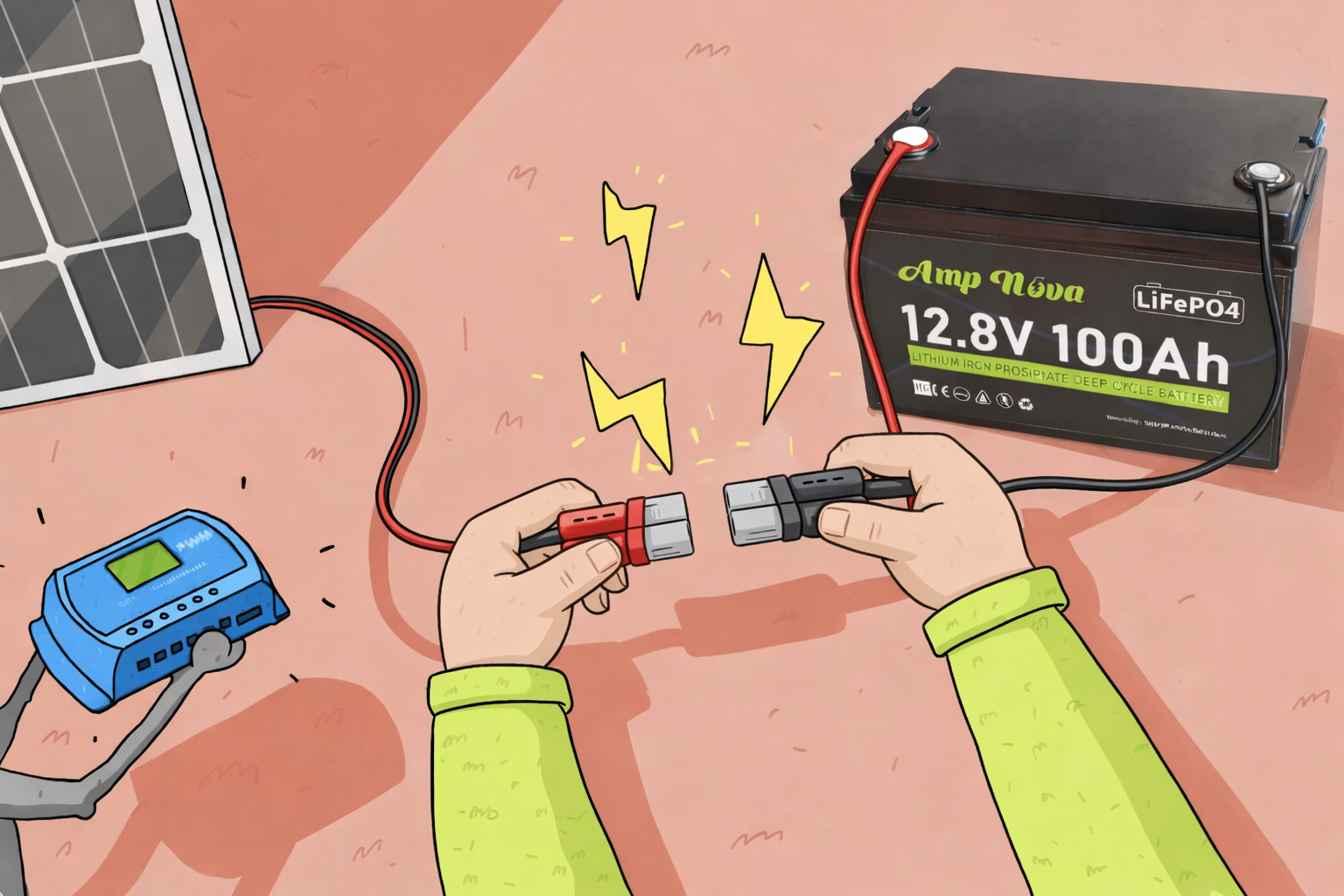
  7. Wire Connections: Connect the battery to the electrical system according to the manufacturer's instructions. This step usually involves connecting the battery terminals to the appropriate electrical wiring or terminal blocks. It's crucial to follow all safety guidelines and local electrical codes during this process. If you're unsure about the wiring, it's best to consult a qualified electrician.
  8. Pruebe y verifique: una vez que la batería esté instalada y el cableado esté completo, verifique que todo funcione correctamente. Realice las comprobaciones o pruebas necesarias del sistema según lo recomendado por el fabricante de la batería.

Remember, the installation process may vary depending on the specific battery model and manufacturer. Always refer to the manufacturer's installation instructions and guidelines for the most accurate and up-to-date information. If you're unsure about any step or have concerns about electrical work, it's recommended to seek assistance from a professional electrician or installer.

Instalación de la batería LiFePO4 de montaje en pared - Amp Nova
Instalación de la batería LiFePO4 de montaje en pared

Mantenimiento y cuidado de su batería LiFePO4 de montaje en pared

Once installed, regular maintenance is key to prolonging your wall mount LiFePO4 battery's life and performance. This includes periodic checks for any physical damage or unusual battery behavior, cleaning to prevent dust accumulation, and temperature checks to prevent overheating. A well-maintained battery can significantly contribute to the efficiency and sustainability of your energy storage system.

Comprobaciones de rutina recomendadas

Para mantener el rendimiento óptimo de su batería LiFePO4 de montaje en pared, las comprobaciones de rutina deben ser una prioridad. Estos pueden incluir inspecciones visuales para detectar daños visibles, medir el voltaje para garantizar una carga y descarga adecuadas y monitorear la temperatura de la batería para evitar el sobrecalentamiento.

Cómo maximizar la duración de la batería

There are several ways to maximize the life of your wall mount LiFePO4 battery. This includes avoiding overcharging and deep discharging, operating within recommended temperature ranges, and regular maintenance. Taking such steps can significantly extend the battery's lifespan and maintain its efficiency.

Comparación de la batería LiFePO4 de montaje en pared con otros tipos

En comparación con las baterías montadas en el piso u otras tecnologías de batería como plomo-ácido o níquel-cadmio, las baterías LiFePO4 de montaje en pared se destacan. Su mayor densidad de energía, mejor estabilidad térmica, ciclo de vida más largo e instalación que ahorra espacio los convierten en una solución más eficiente y rentable.

Comparación de la batería LiFePO4 de montaje en pared con otros tipos: Amp Nova
Comparación de la batería LiFePO4 de montaje en pared con otros tipos, fuente de imagen: https://www.cleanenergyreviews.info/blog/home-solar-battery-systems

El impacto ambiental de las baterías LiFePO4

LiFePO4 batteries are a more eco-friendly choice in the realm of energy storage solutions. They don't contain harmful heavy metals like lead or cadmium and have a lower impact on the environment when disposed of. Furthermore, the longer lifespan of LiFePO4 batteries means less frequent replacement, reducing the waste produced.

Solución de problemas comunes

Common problems with wall mount LiFePO4 batteries may include underperformance, overheating, or issues with charging. Most of these issues can be mitigated with proper maintenance and usage, and by following the manufacturer's guidelines. If a problem persists, it's best to contact professional help.

Precauciones de seguridad al usar baterías LiFePO4 de montaje en pared

Si bien las baterías LiFePO4 son generalmente seguras, se deben tomar precauciones. Siempre instálelos en un área seca y ventilada lejos de materiales inflamables. Utilice el equipo de protección personal adecuado cuando manipule las baterías y tenga a mano los números de contacto de emergencia en caso de que surja un problema.

Consejos de expertos para maximizar el rendimiento de la batería

Los expertos recomiendan mantener la batería correctamente cargada, evitar temperaturas extremas y realizar controles de mantenimiento regulares para maximizar el rendimiento de su batería LiFePO4 de montaje en pared. Seguir estos consejos, junto con el uso adecuado, puede ayudar a garantizar que su batería funcione de la mejor manera.

Desarrollos futuros en la tecnología de baterías LiFePO4 de montaje en pared

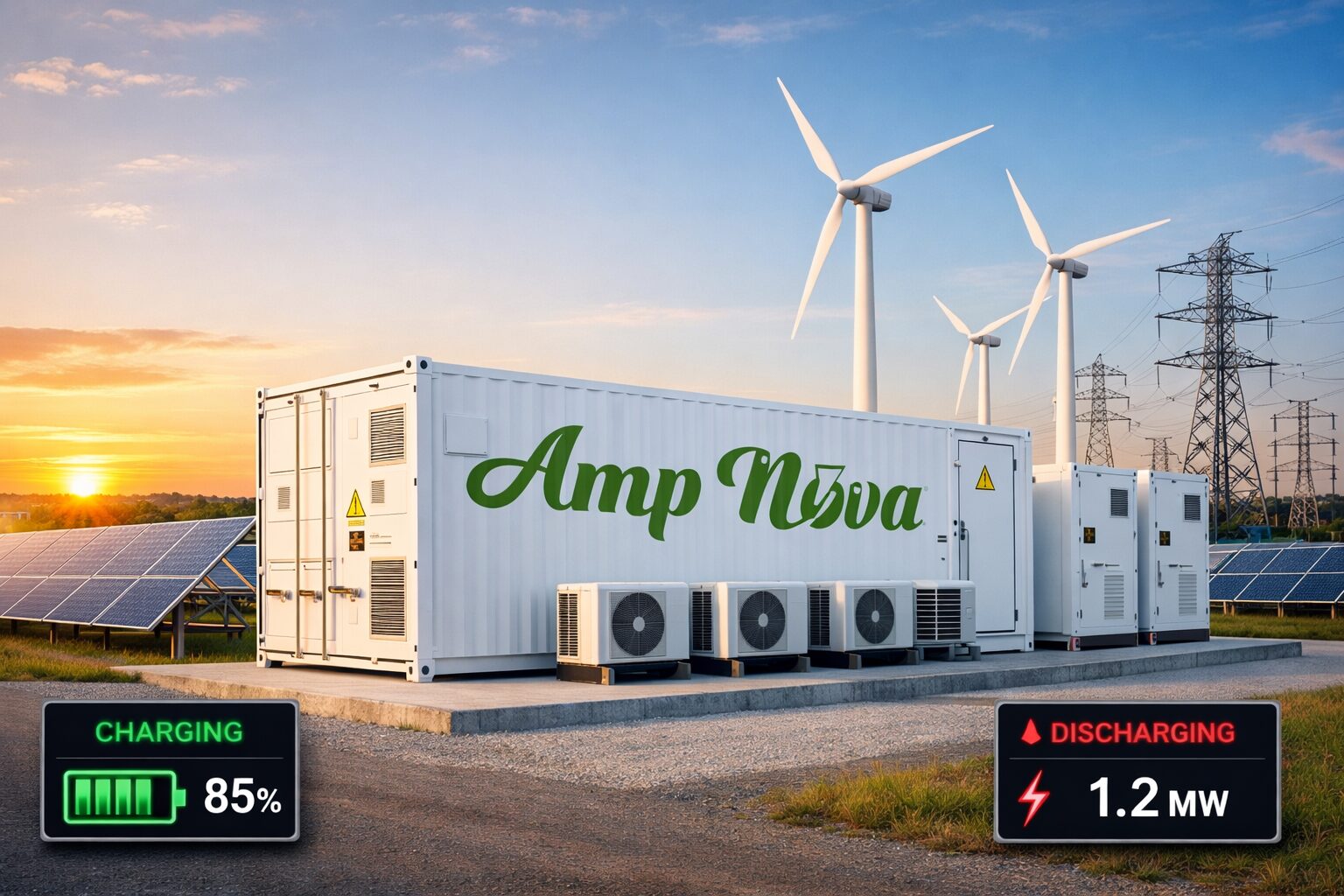
Con los avances tecnológicos, se espera que las baterías LiFePO4 de montaje en pared sean más eficientes, asequibles y versátiles. Las innovaciones en los sistemas de gestión de baterías y el potencial de integración con fuentes de energía renovables como la solar y la eólica tienen un gran potencial para el futuro de esta tecnología.

Conclusión

La batería LiFePO4 de montaje en pared es un avance significativo en las soluciones de almacenamiento de energía. Ofrece una combinación de eficiencia, larga vida útil y seguridad a la vez que es una opción respetuosa con el medio ambiente. Al encargarse de las comprobaciones de rutina, adherirse a las precauciones de seguridad y maximizar la duración de la batería, los usuarios pueden aprovechar al máximo su batería. Con los avances continuos, podemos anticipar un futuro aún más brillante para esta tecnología innovadora.

People also ask when searching "What is wall mount lifepo4 battery?" on Google.

  • ¿Se pueden montar las baterías LiFePO4 en cualquier posición?
  • Yes, LiFePO4 batteries can generally be mounted in any position without affecting their performance or lifespan. This is due to the solid-state nature of the lithium iron phosphate cells. However, it's always a good practice to follow the manufacturer's instructions for the specific battery model.


  • ¿Cuál es la diferencia entre una batería de litio y una batería LiFePO4?
  • Tanto las baterías de litio como las LiFePO4 caen bajo el paraguas de las baterías de iones de litio, pero difieren en los materiales de sus cátodos. Si bien las baterías de litio pueden usar diferentes materiales, como óxido de litio y cobalto, óxido de litio y manganeso u óxido de litio, níquel, manganeso y cobalto, las baterías LiFePO4 usan específicamente fosfato de litio y hierro. Esto le da a las baterías LiFePO4 una mejor estabilidad térmica, seguridad y una vida útil más larga, aunque con una densidad de energía ligeramente más baja que otras baterías de iones de litio.


  • ¿Qué significa LiFePO4 en las baterías?
  • LiFePO4 stands for Lithium Iron Phosphate, which is the compound used in the cathode of these batteries. The "Li" represents Lithium, "Fe" is the chemical symbol for Iron, "P" stands for Phosphorus, and "O4" signifies the four oxygen atoms. This chemistry offers several advantages, such as thermal stability, safety, and long life cycles.


  • ¿Cómo se monta una batería en la pared?
  • Mounting a battery to the wall involves securing the battery with a mounting bracket designed to handle its weight and size. The specific process might differ based on the model and manufacturer's instructions, but generally, it involves choosing a suitable location, securely fastening the mounting bracket, and then attaching the battery.


  • ¿Está bien dejar una batería LiFePO4 en el cargador?
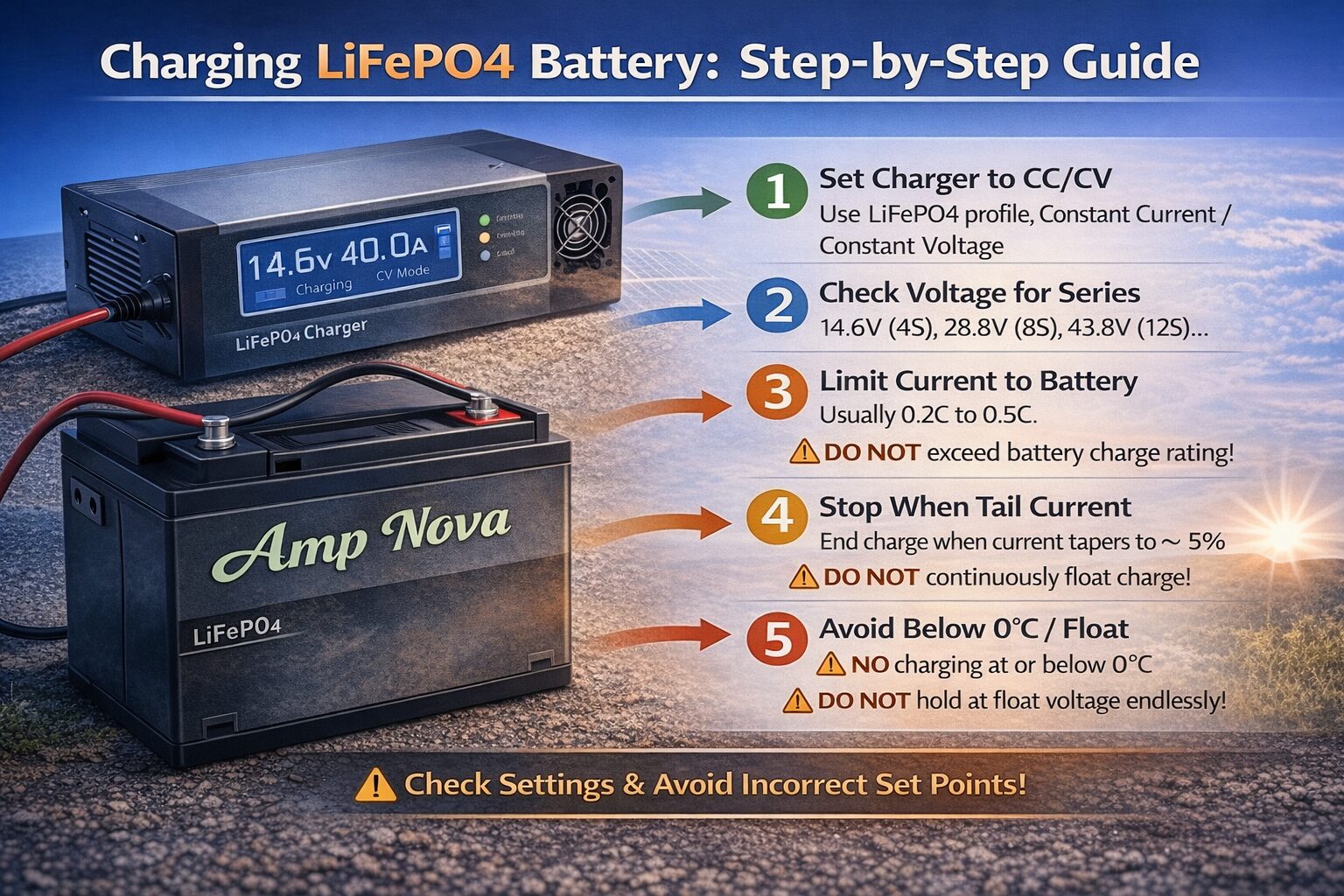
  • LiFePO4 batteries have built-in circuitry that prevents overcharging, so it is generally safe to leave them on the charger. However, it's always recommended to follow the manufacturer's instructions regarding charging practices to extend the battery's life and maintain optimal performance.


  • ¿Se puede dejar cargando una batería LiFePO4?
  • Yes, you can typically leave a LiFePO4 battery on charge without any harm due to their overcharge protection. However, to maintain the battery's health over the long term, it's advisable to disconnect it once it's fully charged.


  • ¿Las baterías LiFePO4 necesitan ventilación?
  • While LiFePO4 batteries are less prone to overheating compared to other lithium-ion batteries, they still produce heat during operation. Therefore, it's recommended to install them in well-ventilated areas to avoid heat buildup and promote better performance and longevity.


  • ¿Las baterías LiFePO4 están seguras en el interior?
  • Sí, las baterías LiFePO4 son generalmente seguras para instalaciones en interiores. Tienen una excelente estabilidad térmica y es menos probable que experimenten fugas térmicas o explosiones. Sin embargo, deben instalarse lejos de materiales inflamables y en un área seca y ventilada según las pautas de seguridad.