Ci sono 3 vantaggi principali dei test di invecchiamento.
- Il primo vantaggio è quello di migliorare l'infiltrazione dell'elettrolita, il che favorisce la stabilità delle prestazioni del pacco batteria al litio;
- Il secondo è che dopo l'invecchiamento delle sostanze attive nei materiali degli elettrodi positivi e negativi, alcuni effetti collaterali possono essere accelerati, come la produzione di gas, la decomposizione dell'elettrolita, ecc., in modo che le prestazioni elettrochimiche della batteria al litio possano essere rapidamente migliorate. stabilizzato;
- Il terzo è condurre uno screening coerente dei pacchi batteria al litio dopo l’invecchiamento per un periodo di tempo. Dopo la formazione, la tensione della cella della batteria è instabile e il suo valore misurato si discosta dal valore effettivo. La tensione e la resistenza interna della cella della batteria invecchiata sono più stabili, il che è utile per lo screening di batterie ad alta consistenza.
Le batterie agli ioni di litio, come tutte le batterie, si degradano nel tempo e con l'uso. Questo degrado può avere una serie di effetti negativi, come capacità ridotta, maggiore resistenza interna e ridotta capacità di fornire correnti elevate. Di conseguenza, è importante capire come si comporterà una particolare batteria con l’invecchiamento, in modo da poterne prevedere e gestire adeguatamente le prestazioni.
One of the primary reasons for conducting an aging test on a lithium-ion battery is to determine its capacity fade rate. Capacity fade is the decrease in a battery’s ability to store and deliver energy over time. This can be caused by a number of factors, such as the accumulation of defects in the battery’s active materials, the formation of a solid electrolyte interface (SEI) on the surface of the electrodes, and the loss of electrochemically active material through processes such as lithium plating. By measuring the capacity of a battery at regular intervals over its lifetime, it is possible to determine how quickly its capacity will fade and how much capacity will be lost at a given point in time.
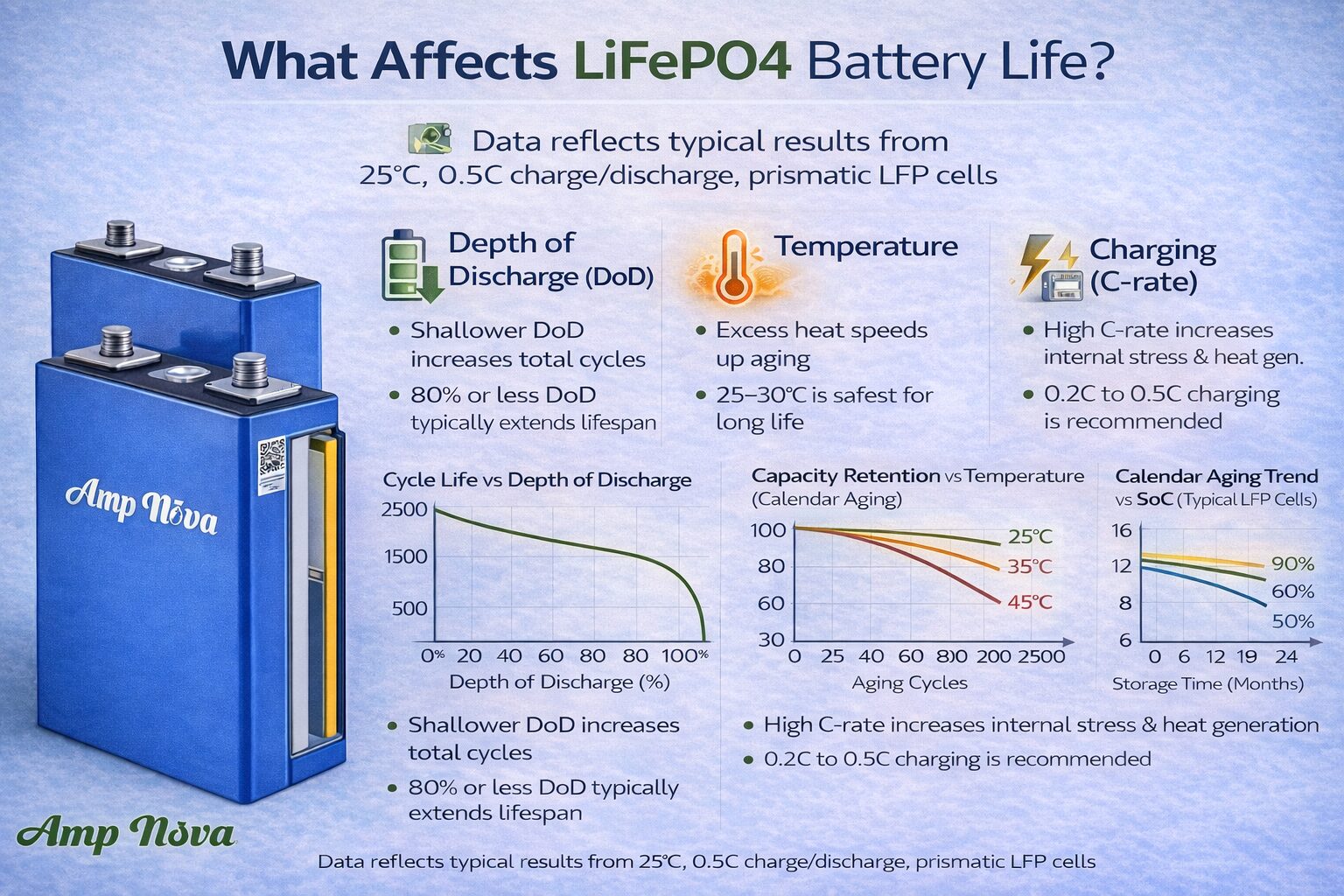
Another important reason for conducting an aging test is to understand how a battery will behave under different operating conditions. For example, a battery’s capacity fade rate may vary depending on factors such as the temperature at which it is used, the depth of discharge, and the rate at which it is charged and discharged. By testing a battery under a range of different conditions, it is possible to identify the conditions that are most likely to cause degradation and to develop strategies for minimizing the effects of aging.
In addition to capacity fade and performance under different operating conditions, an aging test can also provide information about other aspects of a battery’s behavior. For example, an aging test can be used to determine a battery’s impedance, which is a measure of the resistance it presents to the flow of electric current. This is important because a battery with high impedance will have a lower ability to deliver high currents, which can be a problem in applications such as power tools and electric vehicles. By measuring impedance, it is possible to identify batteries that are likely to perform poorly under high-current conditions and to develop strategies for improving their performance.
Another factor that can be determined through an aging test is a battery’s calendar life, which is the length of time that a battery can be stored without significant loss of capacity. Calendar life is important because many applications require batteries to be stored for extended periods before they are put into use. By testing the calendar life of a battery, it is possible to determine how long it can be stored without losing significant capacity and to develop strategies for maximizing its useful life.
Nel complesso, il test di invecchiamento è uno strumento importante per comprendere il comportamento delle batterie agli ioni di litio nel tempo. Fornendo informazioni su diminuzione della capacità, prestazioni in diverse condizioni operative, impedenza, durata e altre caratteristiche importanti, il test di invecchiamento può aiutare produttori e utenti a ottimizzare le prestazioni delle batterie e a prolungarne la durata.