Existem 3 vantagens principais nos testes de envelhecimento.

  • A primeira vantagem é melhorar a infiltração do eletrólito, o que contribui para a estabilidade do desempenho da bateria de lítio;
  • A segunda é que após o envelhecimento das substâncias ativas nos materiais dos eletrodos positivos e negativos, alguns efeitos colaterais podem ser acelerados, como produção de gás, decomposição de eletrólitos, etc., de modo que o desempenho eletroquímico da bateria de lítio possa ser rapidamente estabilizado;
  • A terceira é realizar uma triagem consistente das baterias de lítio após um período de envelhecimento. Após a formação, a tensão da célula da bateria fica instável e seu valor medido se desviará do valor real. A tensão e a resistência interna da célula de bateria envelhecida são mais estáveis, o que é conveniente para a triagem de baterias com alta consistência.

As baterias de íon de lítio, como todas as baterias, degradam-se com o tempo e com o uso. Esta degradação pode ter vários efeitos negativos, tais como capacidade reduzida, aumento da resistência interna e capacidade reduzida de fornecer correntes elevadas. Como resultado, é importante compreender como uma determinada bateria se comportará à medida que envelhece, para que o seu desempenho possa ser previsto e gerenciado adequadamente.

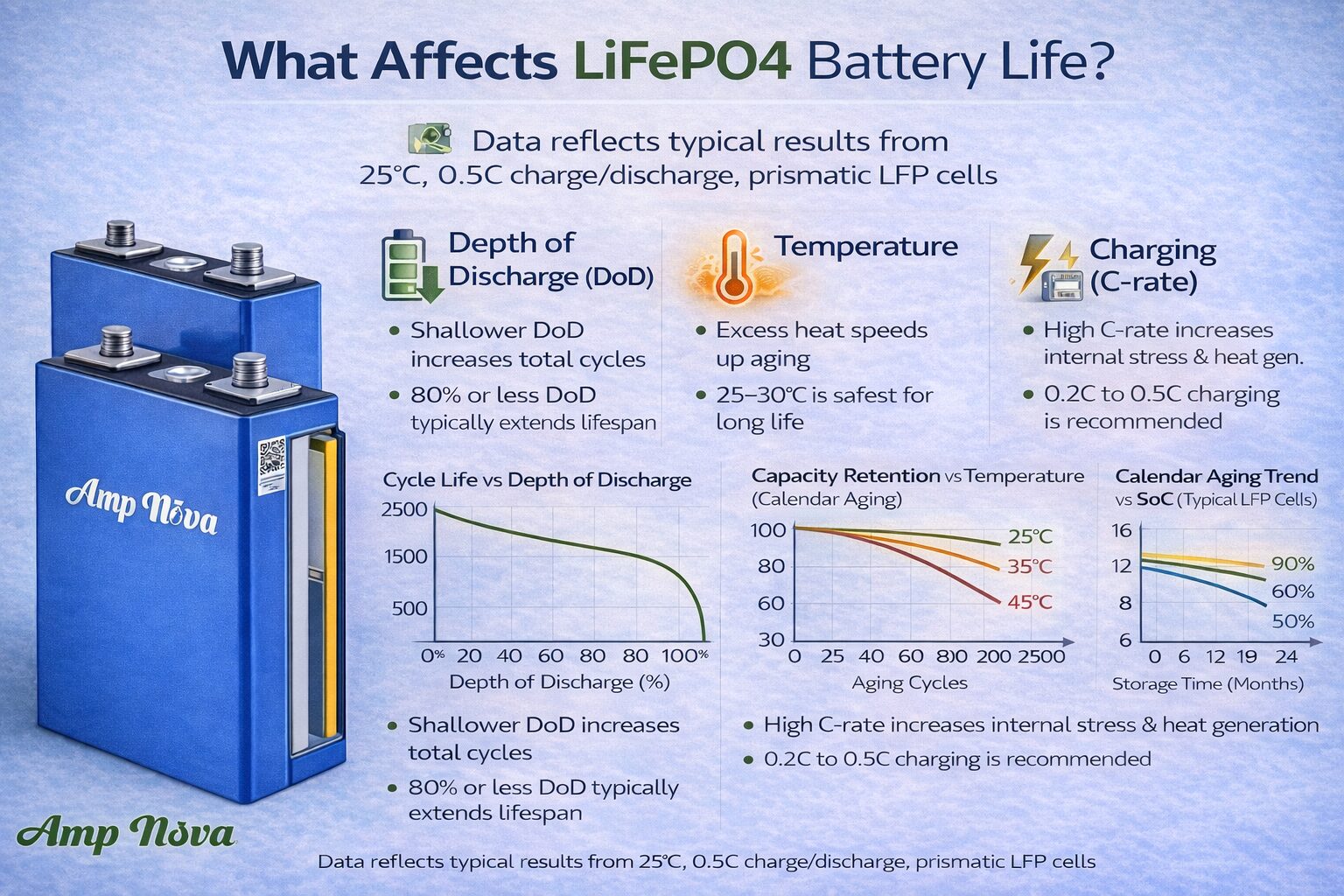
One of the primary reasons for conducting an aging test on a lithium-ion battery is to determine its capacity fade rate. Capacity fade is the decrease in a battery's ability to store and deliver energy over time. This can be caused by a number of factors, such as the accumulation of defects in the battery's active materials, the formation of a solid electrolyte interface (SEI) on the surface of the electrodes, and the loss of electrochemically active material through processes such as lithium plating. By measuring the capacity of a battery at regular intervals over its lifetime, it is possible to determine how quickly its capacity will fade and how much capacity will be lost at a given point in time.

Another important reason for conducting an aging test is to understand how a battery will behave under different operating conditions. For example, a battery's capacity fade rate may vary depending on factors such as the temperature at which it is used, the depth of discharge, and the rate at which it is charged and discharged. By testing a battery under a range of different conditions, it is possible to identify the conditions that are most likely to cause degradation and to develop strategies for minimizing the effects of aging.

In addition to capacity fade and performance under different operating conditions, an aging test can also provide information about other aspects of a battery's behavior. For example, an aging test can be used to determine a battery's impedance, which is a measure of the resistance it presents to the flow of electric current. This is important because a battery with high impedance will have a lower ability to deliver high currents, which can be a problem in applications such as power tools and electric vehicles. By measuring impedance, it is possible to identify batteries that are likely to perform poorly under high-current conditions and to develop strategies for improving their performance.

Another factor that can be determined through an aging test is a battery's calendar life, which is the length of time that a battery can be stored without significant loss of capacity. Calendar life is important because many applications require batteries to be stored for extended periods before they are put into use. By testing the calendar life of a battery, it is possible to determine how long it can be stored without losing significant capacity and to develop strategies for maximizing its useful life.

No geral, o teste de envelhecimento é uma ferramenta importante para compreender o comportamento das baterias de íons de lítio ao longo do tempo. Ao fornecer informações sobre perda de capacidade, desempenho sob diferentes condições operacionais, impedância, vida útil e outras características importantes, o teste de envelhecimento pode ajudar fabricantes e usuários a otimizar o desempenho da bateria e prolongar a vida útil de suas baterias.