Les tests de vieillissement présentent 3 avantages principaux.
- Le premier avantage est d'améliorer l'infiltration de l'électrolyte, ce qui favorise la stabilité des performances du pack batterie au lithium ;
- La seconde est qu'après le vieillissement des substances actives dans les matériaux des électrodes positives et négatives, certains effets secondaires peuvent être accélérés, tels que la production de gaz, la décomposition de l'électrolyte, etc., de sorte que les performances électrochimiques de la batterie au lithium puissent être rapidement améliorées. stabilisé;
- La troisième consiste à effectuer un contrôle cohérent des batteries au lithium après un certain temps de vieillissement. Après la formation, la tension de la cellule de la batterie est instable et sa valeur mesurée s'écartera de la valeur réelle. La tension et la résistance interne de la cellule de batterie vieillissante sont plus stables, ce qui est pratique pour filtrer les batteries avec une cohérence élevée.
Les batteries lithium-ion, comme toutes les batteries, se dégradent avec le temps et l'utilisation. Cette dégradation peut avoir un certain nombre d'effets négatifs, tels qu'une capacité réduite, une résistance interne accrue et une capacité réduite à délivrer des courants élevés. Par conséquent, il est important de comprendre comment une batterie particulière se comportera à mesure qu’elle vieillit afin que ses performances puissent être correctement prédites et gérées.
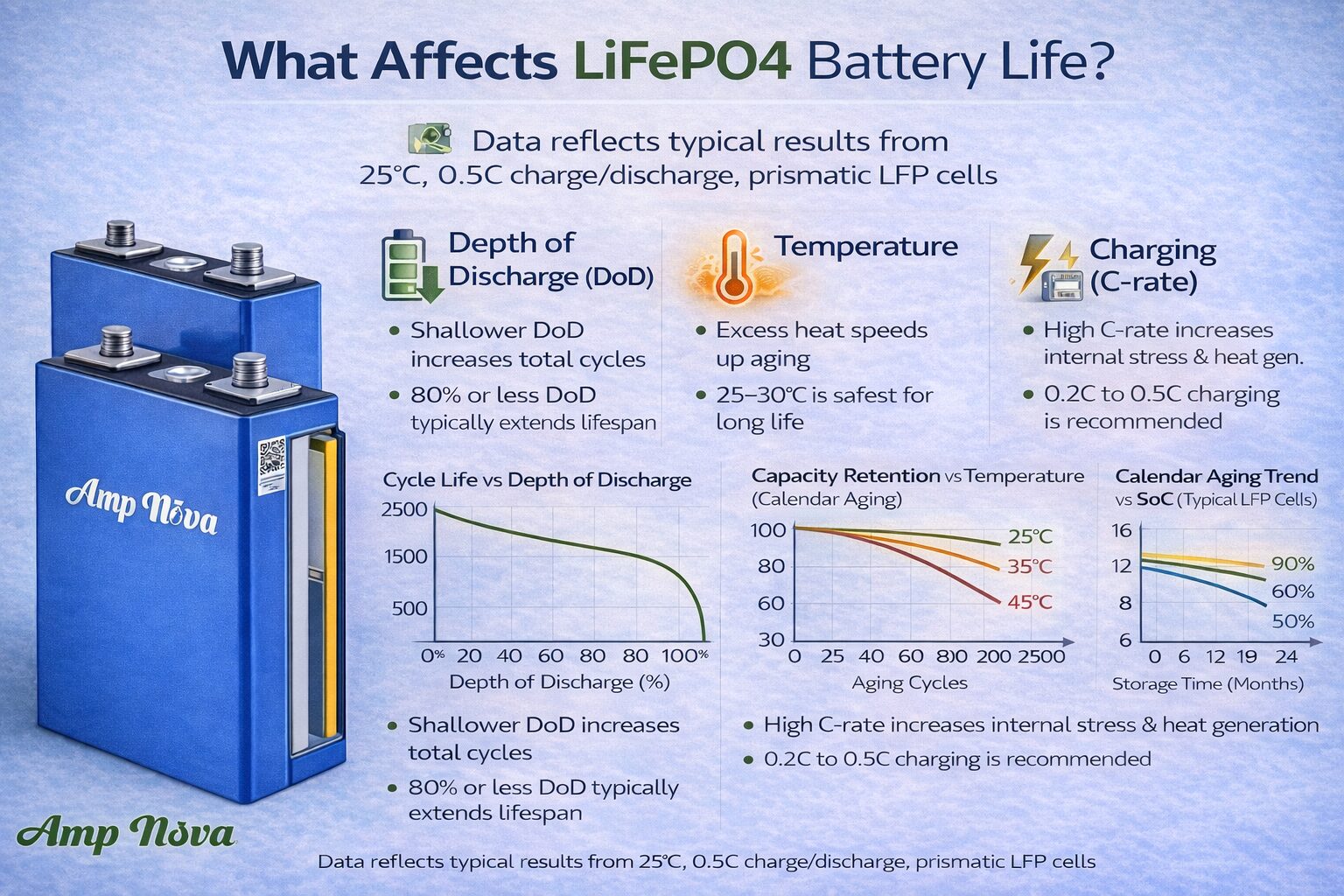
One of the primary reasons for conducting an aging test on a lithium-ion battery is to determine its capacity fade rate. Capacity fade is the decrease in a battery’s ability to store and deliver energy over time. This can be caused by a number of factors, such as the accumulation of defects in the battery’s active materials, the formation of a solid electrolyte interface (SEI) on the surface of the electrodes, and the loss of electrochemically active material through processes such as lithium plating. By measuring the capacity of a battery at regular intervals over its lifetime, it is possible to determine how quickly its capacity will fade and how much capacity will be lost at a given point in time.
Another important reason for conducting an aging test is to understand how a battery will behave under different operating conditions. For example, a battery’s capacity fade rate may vary depending on factors such as the temperature at which it is used, the depth of discharge, and the rate at which it is charged and discharged. By testing a battery under a range of different conditions, it is possible to identify the conditions that are most likely to cause degradation and to develop strategies for minimizing the effects of aging.
In addition to capacity fade and performance under different operating conditions, an aging test can also provide information about other aspects of a battery’s behavior. For example, an aging test can be used to determine a battery’s impedance, which is a measure of the resistance it presents to the flow of electric current. This is important because a battery with high impedance will have a lower ability to deliver high currents, which can be a problem in applications such as power tools and electric vehicles. By measuring impedance, it is possible to identify batteries that are likely to perform poorly under high-current conditions and to develop strategies for improving their performance.
Another factor that can be determined through an aging test is a battery’s calendar life, which is the length of time that a battery can be stored without significant loss of capacity. Calendar life is important because many applications require batteries to be stored for extended periods before they are put into use. By testing the calendar life of a battery, it is possible to determine how long it can be stored without losing significant capacity and to develop strategies for maximizing its useful life.
Dans l’ensemble, le test de vieillissement est un outil important pour comprendre le comportement des batteries lithium-ion dans le temps. En fournissant des informations sur l'évanouissement de la capacité, les performances dans différentes conditions de fonctionnement, l'impédance, la durée de vie et d'autres caractéristiques importantes, le test de vieillissement peut aider les fabricants et les utilisateurs à optimiser les performances de la batterie et à prolonger la durée de vie de leurs batteries.